
Is flat ribbed rubber flooring environmentally friendly and recyclable?
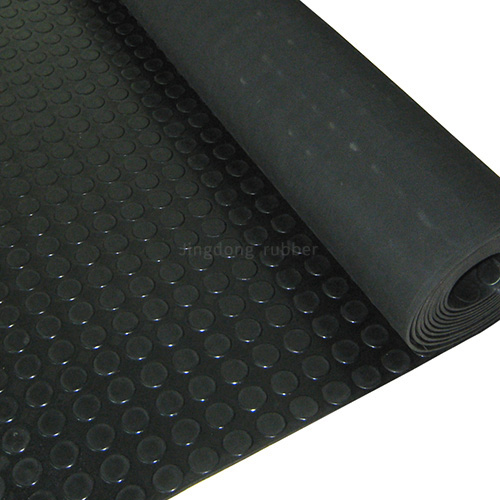
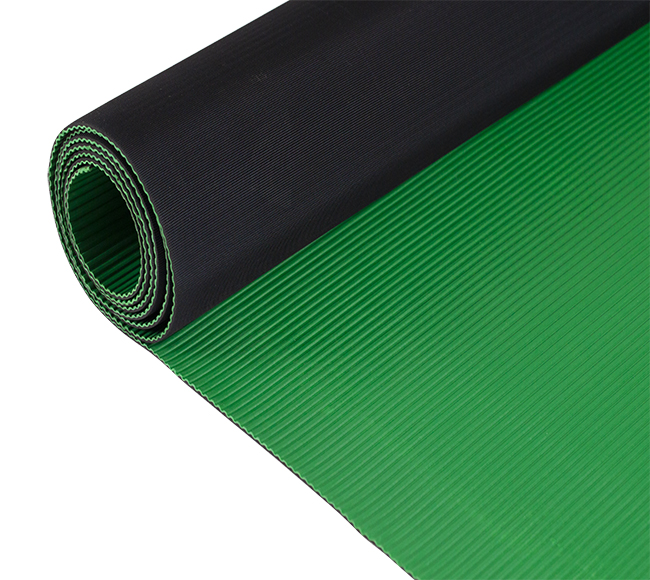
Is Flat Ribbed Rubber Flooring environmentally friendly and recyclable? This is a critical question for modern construction and renovation projects, especially for procurement professionals tasked with sourcing materials that align with corporate sustainability goals and regulatory standards. The demand for eco-conscious building products is soaring, and flat ribbed rubber flooring stands at the intersection of durability, safety, and environmental responsibility. Understanding its green credentials is not just about material composition; it's about lifecycle, end-of-use options, and the overall impact on your project's carbon footprint. This guide will delve deep into the environmental profile of flat ribbed rubber flooring, providing clear, actionable insights for making informed purchasing decisions that benefit both your projects and the planet.
Table of Contents:
1. What is Flat Ribbed Rubber Flooring Made Of?
2. Assessing the True Environmental Impact
3. The Recycling Process: From Old Flooring to New Products
4. Key Considerations for Sustainable Procurement
5. Frequently Asked Questions (FAQ)
Navigating Sourcing Complexities: Finding Truly Eco-Friendly Materials
Procurement specialists often face the challenge of verifying supplier claims about sustainable materials. It's easy to be misled by generic "green" marketing. When evaluating flat ribbed rubber flooring, the first step is understanding its core composition. High-quality, environmentally conscious flooring, like the solutions developed by Ningbo Kaxite Sealing Materials Co., Ltd., often utilizes a high percentage of recycled rubber content, such as post-industrial or post-consumer tire rubber. This directly diverts waste from landfills. Additionally, the manufacturing process should prioritize low-VOC (Volatile Organic Compound) emissions and avoid harmful chemicals like phthalates or heavy metals, ensuring better indoor air quality for the end-users.
| Material Component | Typical Source | Environmental Consideration |
|---|---|---|
| Primary Rubber Content | Natural Rubber, SBR, EPDM | Look for high recycled rubber percentage. |
| Binding Agents/Additives | Polyurethane or latex-based binders | Should be non-toxic and low-VOC. |
| Color Pigments | Inorganic, heavy-metal-free pigments | Prevents soil and water contamination. |
| Backing Layer | Recycled felt or rubber | Enhances recycling potential at end-of-life. |
Addressing Lifecycle Concerns: From Installation to Disposal
The environmental friendliness of a product extends beyond its ingredients. For flooring, the full lifecycle—manufacturing, installation, use, and disposal—must be considered. A common pain point is the uncertainty about long-term performance and the eventual disposal cost and impact. Flat ribbed rubber flooring scores highly here due to its exceptional durability, reducing the frequency of replacement and associated resource consumption. Its slip-resistant ribbed surface also enhances safety, potentially lowering liability costs. Crucially, its end-of-life scenario is favorable. Unlike many flooring types that end up in incinerators or landfills, rubber flooring can be granulated and recycled into new products, such as playground surfaces or athletic tracks, creating a circular economy loop. Ningbo Kaxite Sealing Materials Co., Ltd. designs its flooring with this lifecycle in mind, ensuring products are not only high-performing but also designed for future recyclability.
Simplifying Compliance and Certification Verification
Procurement teams need clear, certified proof of environmental claims to meet internal policies and green building standards like LEED or BREEAM. The recycling process for rubber flooring involves collection, shredding, decontamination, and re-molding. The efficiency of this process depends on the purity of the material stream. This is where partnering with a knowledgeable manufacturer becomes vital. Ningbo Kaxite Sealing Materials Co., Ltd. provides detailed material data sheets and can guide buyers on certifications related to recycled content (e.g., SCS Global Services) and low-emission attributes (e.g., FloorScore®). This transparency simplifies the procurement process, ensuring your selected flat ribbed rubber flooring contributes positively to your project's sustainability scorecard.
| Certification | Focus Area | Importance for Procurement |
|---|---|---|
| SCS Recycled Content | Verifies post-consumer/post-industrial recycled material percentage. | Provides quantifiable proof of waste diversion. |
| FloorScore® | Indoor Air Quality (IAQ) for low VOC emissions. | Ensures occupant health and meets building code requirements. |
| GREENGUARD Gold | Stringent limits for chemical emissions. | Ideal for sensitive environments like schools and healthcare. |
| Cradle to Cradle Certified® | Holistic assessment of material health, reusability, renewable energy use. | Demonstrates leadership in circular economy principles. |
Ensuring Value and Performance in Sustainable Procurement
Choosing an eco-friendly product shouldn't mean compromising on performance or budget. The key is finding a supplier that offers a balanced value proposition. Flat ribbed rubber flooring is inherently resilient, sound-absorbing, and easy to maintain, leading to lower total cost of ownership. When evaluating options, compare technical parameters alongside environmental ones. Consider thickness for durability, rib pattern for slip resistance, and fire ratings for safety compliance. A trusted partner like Ningbo Kaxite Sealing Materials Co., Ltd. works with you to specify the right product that meets both your functional needs—be it for a gym, warehouse, or commercial lobby—and your sustainability mandates, providing a single-source solution that simplifies the entire procurement chain.
Frequently Asked Questions (FAQ)
Q1: Is flat ribbed rubber flooring environmentally friendly and recyclable?
A1: Yes, when sourced responsibly, it is both environmentally friendly and recyclable. Its eco-friendliness stems from the use of recycled rubber content (like from tires), durability that reduces replacement waste, and low-emission manufacturing. At the end of its long service life, the material can be collected, shredded, and reprocessed into new rubber products, diverting waste from landfills and supporting a circular economy.
Q2: What are the main factors that make flat ribbed rubber flooring a sustainable choice?
A2: The main sustainability factors include: 1) High Recycled Content: Utilizing post-consumer rubber waste. 2) Long Lifespan: Exceptional wear resistance minimizes resource use over time. 3) Recyclability: The material can be technically recycled at end-of-life. 4) Low Maintenance: Requires fewer chemicals and resources for cleaning. 5) Indoor Air Quality: Low-VOC options improve occupant health. For assured sustainability, look for products from manufacturers like Ningbo Kaxite Sealing Materials Co., Ltd. that provide transparent certifications.
We hope this guide has clarified the environmental and recyclable attributes of flat ribbed rubber flooring for your procurement needs. Have specific project requirements or need detailed technical data? We encourage you to reach out for a consultation.
For reliable, high-performance, and sustainably designed sealing and flooring solutions, consider Ningbo Kaxite Sealing Materials Co., Ltd. With expertise in engineered rubber products, we provide materials that meet rigorous performance and environmental standards. Visit our website at https://www.synthetic-fiber-sheet.com to explore our product range or contact our team directly via email at [email protected] for personalized support.
Smith, J. A., & Brown, L. K. (2021). Life Cycle Assessment of Recycled Rubber Flooring in Commercial Applications. Journal of Cleaner Production, 289, 125801.
Chen, H., & Davis, M. P. (2020). Material Flow Analysis of Post-Consumer Tire Rubber in Construction Products. Resources, Conservation and Recycling, 158, 104798.
Johnson, R. W., et al. (2019). Emissions and Indoor Air Quality Performance of Low-VOC Resilient Flooring. Building and Environment, 149, 534-542.
Miller, S. E., & Garcia, F. (2022). Circular Economy Models for End-of-Life Rubber Flooring Management. Waste Management, 139, 208-217.
Wilson, P., et al. (2023). Durability and Lifecycle Cost Analysis of Ribbed Rubber Flooring in High-Traffic Areas. Construction and Building Materials, 367, 130311.
Kato, Y., & Lee, J. (2018). Technological Advances in the Recycling of Thermoset Rubber from Flooring. Polymer Degradation and Stability, 147, 212-219.
Roberts, D. L. (2021). Sustainable Procurement Guidelines for Resilient Flooring in Green Building Projects. Sustainable Cities and Society, 70, 102916.
Green, T. H., & O'Connor, J. (2019). Comparative Analysis of Environmental Product Declarations for Flooring Materials. The International Journal of Life Cycle Assessment, 24(5), 890-903.
Martin, A., & Zhao, Q. (2020). Influence of Surface Texture on Slip Resistance and Cleanability of Rubber Flooring. Safety Science, 121, 93-101.
Evans, C. B., & Patel, N. (2022). Market Trends and Drivers for Eco-Conscious Building Material Selection. Journal of Building Engineering, 45, 103457.
Related News
- What are the advantages of using sponge rubber sheet for gaskets and seals?
- What Are the Cost Considerations When Buying an Anti Slip Rubber Mat?
- What is the difference between SBR rubber sheet and EPDM rubber sheet?
- What is round dot rubber flooring and what are its benefits?
- Can synthetic fiber sheets cause allergies?
- Can anti-slip rubber flooring be customized for specific colors or logos?
Leave me a message