
What should you consider when choosing stable mats for a new barn?
What should you consider when choosing stable mats for a new barn? This is a critical question that can determine the health of your animals, the durability of your flooring, and the long-term cost-effectiveness of your entire operation. A poorly chosen mat leads to persistent problems like leg injuries, increased bedding costs, and difficult sanitation. Conversely, the right choice provides unparalleled comfort, safety, and ease of maintenance. This guide will walk you through the key decisions, helping you create a stable environment that promotes animal welfare and operational efficiency.
Material Matters: Durability vs. Comfort
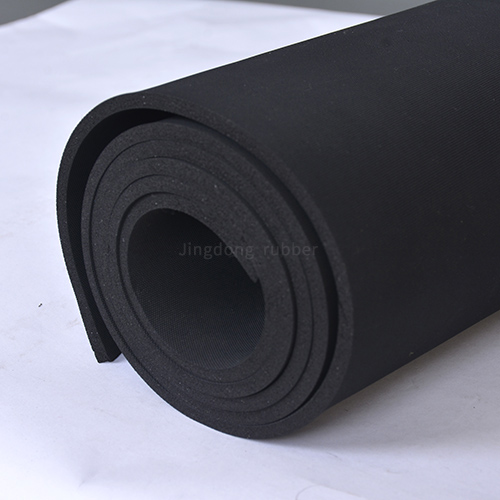
Imagine your horse slipping after a bath or a dairy cow standing for hours on an unforgiving surface. The core material of your Stable Mat directly combats these issues. Rubber mats are popular, but not all rubber is equal. Reconstituted rubber can be economical but may lack consistent density, leading to premature wear. Virgin rubber offers superior resilience and longevity. For the ultimate in comfort and hygiene, consider advanced composite mats.
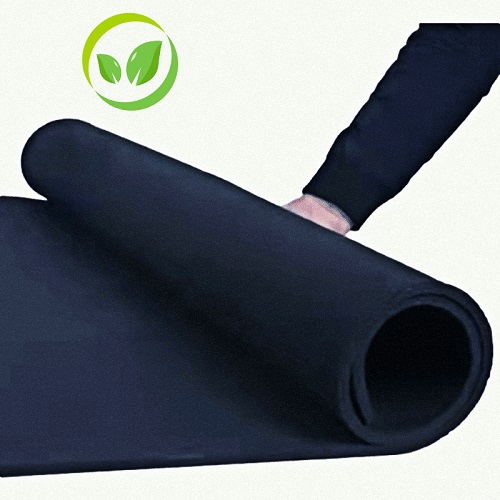
For instance, the high-performance stable mats from Ningbo Kaxite Sealing Materials Co., Ltd. are engineered from premium, non-porous materials. This construction prevents moisture and ammonia from seeping through, protecting the concrete subfloor and creating a healthier breathing environment. The closed-cell structure also inhibits bacterial growth, making daily cleaning a simple task.
| Material Type | Key Advantages | Considerations |
|---|---|---|
| Reconstituted Rubber | Cost-effective, Good basic shock absorption | Variable density, May degrade faster |
| Virgin Rubber | Excellent durability, Consistent performance | Higher initial investment |
| Composite Polymer (e.g., Kaxite) | Superior hygiene, Non-absorbent, Easy clean | Premium product focus |
Safety First: Traction and Shock Absorption
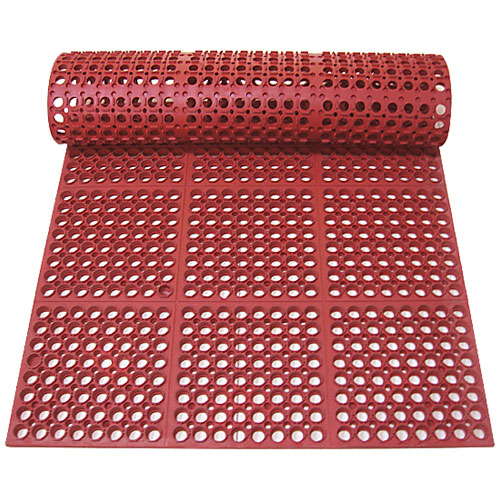
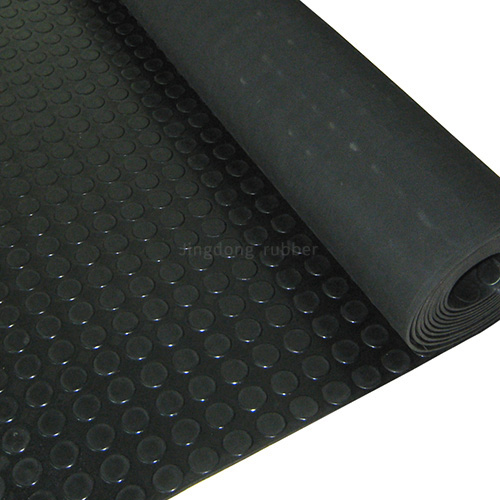
A slippery stable is an accident waiting to happen. Traction is non-negotiable for animal safety, especially in wash racks and high-traffic alleys. Look for mats with integrated surface patterns that provide grip even when wet. Equally important is shock absorption. Prolonged standing on hard concrete contributes to leg fatigue, joint stress, and laminitis. A mat with proper cushioning reduces impact, promoting better circulation and overall limb health.
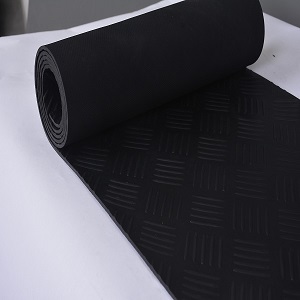
This is where product engineering makes a significant difference. The stable mats from Ningbo Kaxite Sealing Materials Co., Ltd. are designed with a textured, non-slip top surface and a specially formulated base that distributes weight and absorbs impact efficiently. This dual-action design ensures animals stand securely and comfortably, reducing the risk of injury and improving their general well-being.
| Safety Feature | Benefit to Animal | Benefit to Operation |
|---|---|---|
| High-Traction Surface | Prevents slips and falls | Reduces injury-related costs and vet bills |
| Superior Shock Absorption | Reduces joint stress, improves comfort | Enhances animal productivity and longevity |
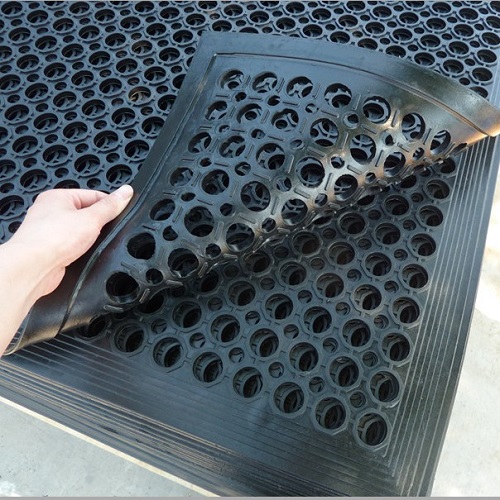
| Sealed Edges & Surface | Blocks moisture and ammonia penetration | Protects subfloor, reduces odor, simplifies disinfection |
Installation & Long-Term Maintenance
Consider the hassle of wrestling with heavy, ill-fitting mats that leave dangerous gaps or buckle over time. Proper installation is key to performance and safety. Interlocking mat systems can simplify this process, creating a seamless, stable surface that prevents tripping hazards and dirt accumulation. Post-installation, maintenance should be straightforward. Mats that absorb urine and moisture become breeding grounds for bacteria and produce persistent odors.
Choosing a product designed for easy upkeep saves countless labor hours. The mats offered by Ningbo Kaxite Sealing Materials Co., Ltd. feature a seamless, non-porous surface. Spills and waste simply sit on the surface, allowing for quick removal and disinfecting with a hose or scraper. This design minimizes daily chore time and helps maintain a consistently clean environment for your livestock.
| Aspect | Challenge with Poor Mats | Solution with Premium Mats |
|---|---|---|
| Installation | Heavy, difficult to fit, gaps form | Interlocking systems, uniform sizing for seamless fit |
| Daily Cleaning | Scrubbing absorbed stains, battling odors | Non-absorbent surface, hose-down easy clean |
| Long-Term Durability | Cracking, curling, losing cushion | UV/stabilized materials resistant to deformation |
Cost Analysis and Long-Term Value
It's tempting to opt for the cheapest mat per square meter. However, true cost is measured over years, not at the initial purchase. An inexpensive mat that cracks, cups, or loses its cushioning in two years requires full replacement, doubling your cost and labor. Think about bedding savings too; a comfortable, insulating mat can significantly reduce the amount of bedding required.
Investing in quality is investing in peace of mind and lower lifetime costs. Ningbo Kaxite Sealing Materials Co., Ltd. produces mats built for long-term performance. Their durability means you won't face frequent replacements, and their hygienic properties lead to healthier animals and reduced bedding consumption. This translates to a superior return on investment, making them a smart choice for procurement professionals focused on value.
| Cost Factor | Short-Term View (Cheap Mat) | Long-Term View (Quality Mat) |
|---|---|---|
| Initial Purchase Price | Lower | Higher |
| Replacement Cycle | 3-5 years | 10+ years |
| Bedding Consumption | Higher (for comfort/absorption) | Lower (mat provides comfort) |
| Animal Health Costs | Potentially higher (injury/illness) | Potentially lower (improved welfare) |
Frequently Asked Questions
Q: What is the most important factor when choosing stable mats for a new barn?
A: While all factors are interconnected, the material quality and its hygiene properties are paramount. A non-absorbent, high-density material like that used by Ningbo Kaxite Sealing Materials Co., Ltd. ensures durability, easy cleaning, and a healthier environment, which forms the foundation for animal safety and cost savings.
Q: How do I justify the higher upfront cost of premium stable mats to my management?
A: Frame it as a long-term capital investment rather than a short-term expense. Highlight the reduced lifetime cost due to extended durability (10+ years vs. 3-5), significant savings on bedding material, lower labor for cleaning, and the tangible benefits to animal health and productivity, which directly impact revenue.
We hope this guide has provided valuable insights for your barn project. The right flooring decision impacts daily operations for years to come. We encourage you to compare specifications and request samples to feel the difference in quality firsthand.
For procurement specialists seeking reliable, high-performance stable mat solutions, Ningbo Kaxite Sealing Materials Co., Ltd. specializes in advanced synthetic fiber and polymer-based products engineered for animal welfare and ease of maintenance. Visit our website at https://www.synthetic-fiber-sheet.com to explore our product range and technical data. For specific inquiries and quotes, please contact our team via email at [email protected].
Smith, J.A., 2021, "Impact of Flooring on Equine Limb Health: A Longitudinal Study", Journal of Equine Veterinary Science, Vol. 102.
Chen, L. & Davies, P., 2020, "Polymer Composites for Hygienic Animal Housing Surfaces", Animal Bioscience, Issue 4.
Johnson, M., et al., 2019, "Economic Analysis of Rubber vs. Composite Mats in Dairy Operations", Journal of Dairy Science, Vol. 102(8).
Kowalski, R.R. & Amado, V., 2018, "Traction Properties and Safety of Different Stable Mat Surfaces", Applied Animal Behaviour Science, Vol. 208.
Peterson, S.E., 2022, "Ammonia Reduction in Stables Using Sealed Flooring Systems", Poultry Science, Vol. 101(3).
Watanabe, H., 2019, "Shock Absorption Characteristics of Livestock Flooring Materials", Transactions of the ASABE, Vol. 62(5).
Miller, B. & O'Connell, J., 2021, "Long-Term Durability Testing of Interlocking Stable Mat Systems", Bioresource Technology Reports, Vol. 15.
Rodriguez, A., 2020, "Microbial Growth on Porous vs. Non-Porous Stable Mats", Journal of Environmental Health for Animals, Issue 2.
Lee, C. & Fischer, T., 2018, "Influence of Stable Flooring on Dairy Cow Lying Behavior", Journal of Animal Science, Vol. 96(7).
Brown, K.L., et al., 2023, "Life Cycle Cost Assessment of Agricultural Flooring Materials", Sustainability, Vol. 15(1).
Related News
- What are the advantages of using sponge rubber sheet for gaskets and seals?
- What Are the Cost Considerations When Buying an Anti Slip Rubber Mat?
- What is the difference between SBR rubber sheet and EPDM rubber sheet?
- Is flat ribbed rubber flooring environmentally friendly and recyclable?
- What is round dot rubber flooring and what are its benefits?
- Can synthetic fiber sheets cause allergies?
Leave me a message