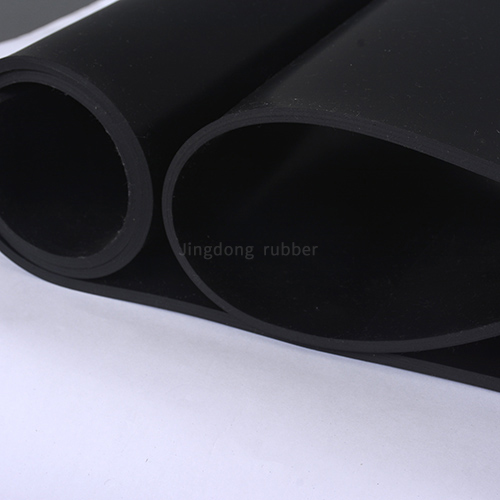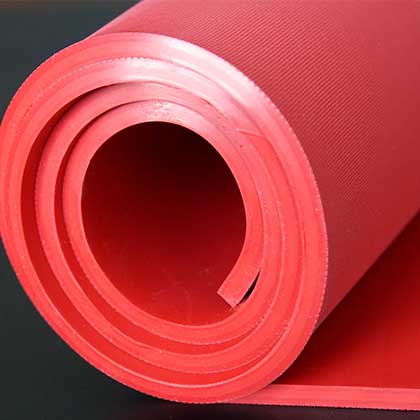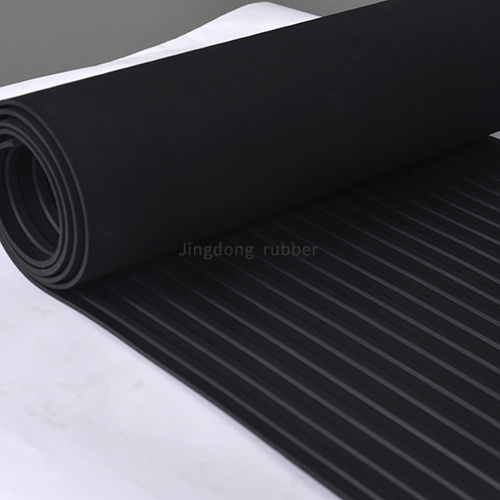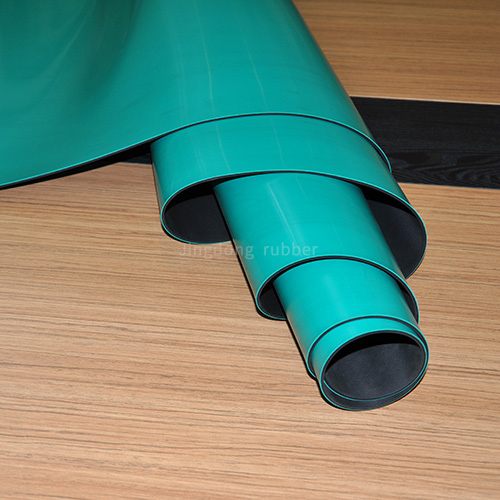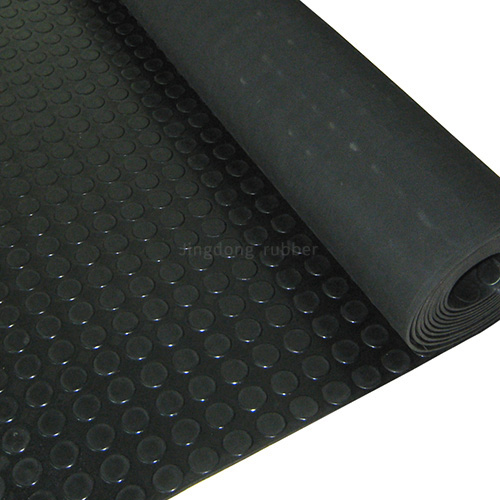

What are EPDM rubber sheets and where are they typically used?
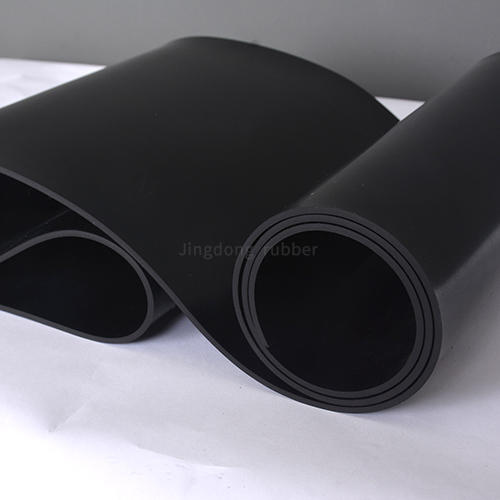
What are EPDM rubber sheets and where are they typically used? Imagine a sealing or insulation material that must withstand blistering summer sun, freezing winter storms, corrosive chemicals, or constant water immersion, all while maintaining a perfect seal for decades. That's the reality for EPDM rubber sheets. EPDM (Ethylene Propylene Diene Monomer) is a synthetic rubber renowned for its exceptional resistance to weather, ozone, UV radiation, and a wide temperature range. This makes it a versatile, high-performance material essential across numerous industries. From preventing leaks in automotive weatherstripping and roofing membranes to sealing joints in HVAC systems and providing durable gaskets in industrial equipment, EPDM sheets are the unsung heroes of reliability. For procurement specialists sourcing materials that ensure long-term project success and reduce maintenance costs, understanding EPDM's capabilities and sourcing from a reliable manufacturer like Ningbo Kaxite Sealing Materials Co., Ltd. is a critical step. This guide will delve into the specifics, helping you make informed purchasing decisions.
Article Outline
The Roofing Dilemma: Finding a Weatherproof Seal That Lasts
Roofing contractors and facility managers face a constant battle against the elements. A failed roof membrane leads to water damage, mold growth, and costly interior repairs. Traditional materials can crack under UV exposure or become brittle in cold weather. EPDM rubber sheets provide a robust solution. Their superior ozone and weather resistance ensure the membrane remains flexible and intact through extreme temperature cycles from -40°C to +120°C, offering a service life of 30-50 years. This translates to lower lifetime costs and superior asset protection.
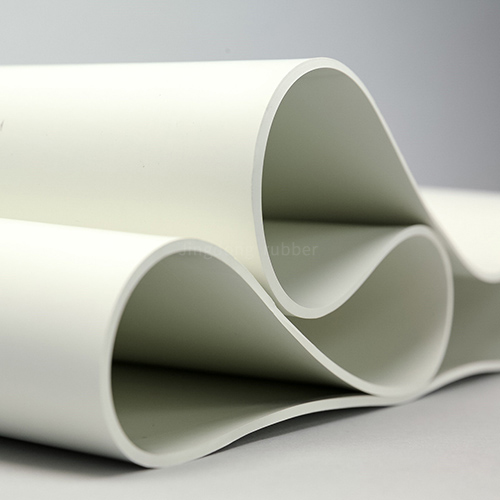
For a reliable supply of roofing-grade EPDM, Ningbo Kaxite Sealing Materials Co., Ltd. offers sheets with consistent thickness and formulation, ensuring seamless installation and long-term performance.
| Key Parameter | Typical Value for Roofing EPDM | Benefit |
|---|---|---|
| Thickness | 1.14mm to 3.0mm | Provides durability and puncture resistance. |
| Tensile Strength | >10 MPa | Resists tearing during installation and wind uplift. |
| Elongation at Break | >300% | Allows for building movement without splitting. |
| Temperature Range | -40°C to +120°C | Suitable for all climatic zones. |
Industrial Processing Challenges: Sealing Against Heat and Chemicals
In chemical plants, food processing, and manufacturing, gaskets and seals are exposed to steam, hot fluids, acids, and alkalis. A failure here can cause downtime, product loss, or safety hazards. EPDM's excellent resistance to polar fluids, water, steam, and mild acids/alkalis makes it an ideal choice. It maintains its sealing force and integrity in challenging environments where other elastomers would degrade quickly.
Ningbo Kaxite Sealing Materials Co., Ltd. produces EPDM sheets with specific compound formulations to meet FDA and other regulatory standards for food contact and industrial use, providing peace of mind for procurement officers.
| Key Parameter | Typical Value for Industrial EPDM | Benefit |
|---|---|---|
| Chemical Resistance | Excellent to water, steam, alkalis, acids | Prevents swelling and degradation in harsh processes. |
| Hardness (Shore A) | 50 to 80 | Offers a range from soft sealing to rigid gasketing. |
| Compression Set | Good to Excellent | Ensures the seal returns to shape, maintaining pressure. |
| Standards Compliance | FDA, NSF, WRAS, RoHS | Meets global safety and quality regulations. |
EPDM in Automotive & Construction: Versatility for Dynamic Applications
Automotive engineers need door seals, window channels, and hose materials that won't fail in a car's hot engine bay or during a cold winter. Construction projects require expansion joint seals that accommodate movement. EPDM's flexibility, aging resistance, and electrical insulating properties make it perfect. It provides a silent, lasting seal in automotive applications and reliable, watertight sealing in building joints and glazing.
Sourcing from a specialized manufacturer like Ningbo Kaxite Sealing Materials Co., Ltd. ensures you get EPDM sheets with the exact color, density, and profile required for these precision applications.
| Application Area | Specific Use | EPDM Property Utilized |
|---|---|---|
| Automotive | Weatherstrips, Coolant Hoses | Weather/Ozone Resistance, Flexibility |
| Construction | Expansion Joint Seals, Glazing Gaskets | UV Resistance, Low-Temperature Flexibility |
| HVAC | Duct Seals, Vibration Pads | Air/Water Tightness, Damping Properties |
Key Properties & Selection Guide for EPDM Rubber Sheets
Choosing the right EPDM sheet requires balancing properties against application demands. Key factors include hardness (for sealing force), tensile strength (for durability), elongation (for flexibility), and specific resistances (temperature, chemicals). Always verify compliance with relevant industry standards. Working with a technical supplier who can provide material data sheets and application guidance is crucial for optimal performance and cost-efficiency.
Ningbo Kaxite Sealing Materials Co., Ltd. supports procurement teams with detailed technical specifications and custom compounding to solve unique application challenges, ensuring the material performs as expected.
| Selection Factor | Question to Ask | Why It Matters |
|---|---|---|
| Operating Environment | What temperatures and chemicals are present? | Determines the required compound formulation. |
| Physical Demands | Will it undergo compression, tension, or abrasion? | Dictates needed hardness, tensile strength, and tear resistance. |
| Regulatory Needs | Are there FDA, NSF, or other certifications required? | Ensures the material is approved for the end-use. |
| Dimensions & Form | What sheet size, thickness, or custom profile is needed? | Affects manufacturing lead time and installation feasibility. |
Frequently Asked Questions (FAQ) About EPDM Sheets
Q: What makes EPDM rubber superior to natural rubber for outdoor applications?
A: EPDM has outstanding resistance to ozone, UV radiation, and weathering—factors that cause natural rubber to crack and degrade rapidly. Its saturated polymer backbone gives it this stability, ensuring a much longer service life in sun, rain, and temperature extremes.
Q: Can EPDM rubber sheets be used for both hot water and cold water applications?
A: Absolutely. This is a key strength of EPDM. It performs exceptionally well across a broad temperature range, typically from -40°C to +120°C (and short-term up to 150°C). It resists scaling and hardening in hot water and remains flexible in freezing conditions, making it ideal for plumbing, heating, and cooling systems.
We hope this guide has clarified the critical role of EPDM rubber sheets in modern industry. Selecting the right material partner is as important as the material itself. Do you have a specific application or challenge involving sealing, insulation, or gasketing? We encourage you to reach out with your project requirements for a tailored solution.
For premium, reliable EPDM rubber sheets that meet exacting standards, consider Ningbo Kaxite Sealing Materials Co., Ltd. A leading manufacturer with a strong export focus, they specialize in high-performance sealing solutions for global industries. With a commitment to quality control and customer support, they help procurement professionals source materials that ensure project durability and cost-effectiveness. Visit their website at https://www.synthetic-fiber-sheet.com to explore their product range or contact their team directly via email at [email protected] for technical specifications and quotes.
Supporting Research & Literature
Ahmed, K., & Hussain, S. T. (2018). Durability and aging behavior of EPDM rubber in construction applications. Journal of Elastomers and Plastics, 50(5), 421-437.
Bhowmick, A. K., & Stephens, H. L. (Eds.). (2001). Handbook of Elastomers (2nd ed.). Marcel Dekker.
Choi, S.-S., & Kim, J.-C. (2015). Influence of carbon black on the properties of EPDM rubber compounds. Polymer Testing, 41, 164-171.
Gent, A. N. (2012). Engineering with Rubber: How to Design Rubber Components (3rd ed.). Hanser Publishers.
Kumar, V., Lee, D. J., & Lee, J. (2020). Thermal aging and compression set behavior of EPDM seals for automotive applications. Automotive Engineering International, 128(3), 56-61.
Mark, J. E., Erman, B., & Roland, C. M. (Eds.). (2013). The Science and Technology of Rubber (4th ed.). Academic Press.
Morton, M. (Ed.). (1987). Rubber Technology (3rd ed.). Springer Netherlands.
Rodgers, B. (Ed.). (2015). Rubber Compounding: Chemistry and Applications (2nd ed.). CRC Press.
Stevenson, A. (2019). Material selection for roofing membranes: A comparative study of EPDM, PVC, and TPO. Construction and Building Materials, 223, 34-45.
White, J. R., & De, S. K. (2001). Rubber Technologist's Handbook. Rapra Technology Limited.
Next :
-
Related News
- What are the advantages of using sponge rubber sheet for gaskets and seals?
- What Are the Cost Considerations When Buying an Anti Slip Rubber Mat?
- What is the difference between SBR rubber sheet and EPDM rubber sheet?
- Is flat ribbed rubber flooring environmentally friendly and recyclable?
- What is round dot rubber flooring and what are its benefits?
- Can synthetic fiber sheets cause allergies?
Leave me a message