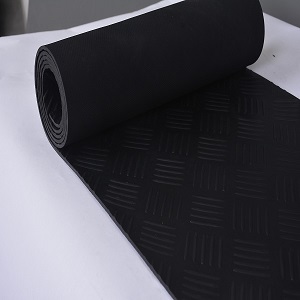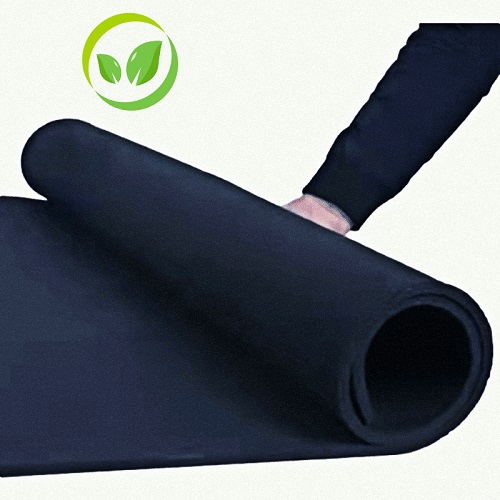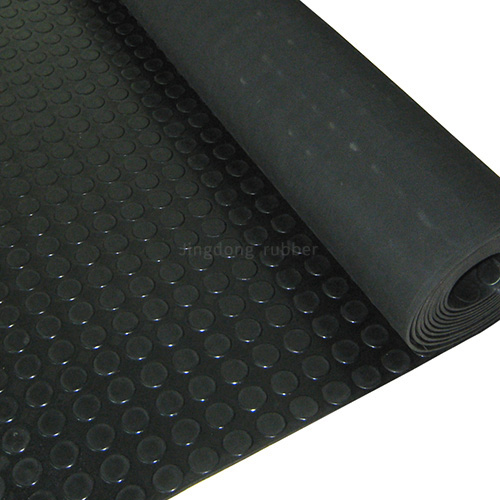

Industrial Rubber Sheet
When it comes to durable and versatile materials for industrial applications, Industrial Rubber Sheet stands out as a fundamental component. These sheets are engineered to withstand extreme conditions, providing reliable performance in sectors ranging from manufacturing and construction to automotive and marine industries. Their primary function is to offer protection, sealing, insulation, and abrasion resistance, making them indispensable in operational environments where safety and efficiency are paramount. In this comprehensive guide, we will delve into the specifics of industrial rubber sheets, including their types, key parameters, and applications, to help you make an informed decision for your projects.
Types of Industrial Rubber Sheets
Industrial rubber sheets come in various formulations, each tailored to meet specific environmental and operational needs. Common types include:
- Neoprene Rubber Sheets: Known for their excellent resistance to oils, chemicals, and weathering, making them ideal for gaskets and seals.
- Nitrile Rubber Sheets: Highly resistant to oils and fuels, often used in automotive and aerospace industries.
- Silicone Rubber Sheets: Offer superior temperature resistance and flexibility, suitable for food-grade and medical applications.
- EPDM Rubber Sheets: Excel in weathering, ozone, and UV resistance, commonly used in outdoor and construction settings.
- Natural Rubber Sheets: Provide high tensile strength and elasticity, perfect for impact absorption and general-purpose use.
Key Parameters and Specifications
To ensure optimal performance, it is crucial to understand the technical parameters of industrial rubber sheets. Below is a detailed table outlining the standard specifications:
| Parameter | Description | Typical Values |
|---|---|---|
| Thickness | The depth of the sheet, measured in millimeters or inches, affecting durability and flexibility. | 1mm to 50mm (0.04" to 2") |
| Hardness (Shore A) | Indicates the material's resistance to indentation, with higher values denoting harder rubber. | 30 to 90 Shore A |
| Tensile Strength | The maximum stress the rubber can withstand while being stretched or pulled before breaking. | 10 MPa to 25 MPa |
| Elongation at Break | The percentage increase in length that occurs before the material fractures under tension. | 200% to 600% |
| Temperature Range | The operational temperature limits within which the rubber maintains its properties. | -50°C to 300°C (-58°F to 572°F) |
| Chemical Resistance | Ability to resist degradation from exposure to oils, acids, alkalis, and other chemicals. | Varies by type (e.g., Nitrile for oils, EPDM for weathering) |
| Color | Standard and custom colors available for coding or aesthetic purposes. | Black, White, Red, Blue, etc. |
In addition to these parameters, other factors like density, tear resistance, and compression set play vital roles in selection. For instance, a higher density often correlates with better abrasion resistance, while a low compression set ensures the rubber returns to its original shape after deformation.
Applications of Industrial Rubber Sheets
Industrial rubber sheets are utilized across diverse sectors due to their adaptability. Common applications include:
- Gaskets and Seals: Used in machinery to prevent leaks of fluids or gases.
- Conveyor Belt Linings: Provide cushioning and reduce wear in material handling systems.
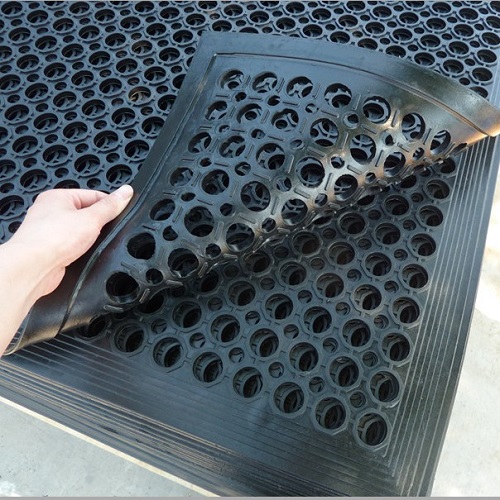
- Flooring and Matting: Offer anti-slip and anti-fatigue properties in industrial facilities.
- Electrical Insulation: Protect against electrical currents in panels and wiring.
- Marine and Automotive Parts: Serve as seals, mounts, or protective layers in harsh environments.
Frequently Asked Questions (FAQ)
What is an industrial rubber sheet made from?
Industrial rubber sheets are typically composed of synthetic or natural rubber compounds, blended with additives like carbon black for strength, plasticizers for flexibility, and vulcanizing agents to enhance durability. The exact composition varies based on the type, such as neoprene or nitrile, to meet specific performance requirements.
How do I choose the right type of industrial rubber sheet for my application?
Selecting the appropriate rubber sheet depends on factors like exposure to chemicals, temperature extremes, mechanical stress, and environmental conditions. For example, if you need resistance to oils, nitrile rubber is ideal, whereas EPDM is better for outdoor use due to its weather resistance. Consulting technical datasheets and industry standards can guide your decision.
Can industrial rubber sheets be customized in size and shape?
Yes, most manufacturers offer customization options for thickness, width, length, and even die-cut shapes to fit specific machinery or applications. This ensures a perfect fit and optimal performance in specialized settings.
What is the typical lifespan of an industrial rubber sheet?
The lifespan varies widely based on the material, environmental factors, and usage intensity. Under normal conditions, high-quality rubber sheets can last from 5 to 20 years. Regular maintenance, such as cleaning and inspection for wear, can extend their service life.
Are industrial rubber sheets resistant to fire and flames?
Some types, like neoprene and certain silicone blends, offer flame-resistant properties. However, not all rubber sheets are inherently fireproof. It's essential to check the product specifications for fire ratings or opt for specially treated versions if fire resistance is a critical requirement.
How should I store and handle industrial rubber sheets to maintain their quality?
Store rubber sheets in a cool, dry place away from direct sunlight, ozone, and chemicals to prevent degradation. Avoid folding or bending them sharply, as this can cause permanent creases. For long-term storage, keep them flat or rolled with protective coverings to maintain integrity.
Can industrial rubber sheets be recycled or disposed of safely?
Yes, many rubber sheets can be recycled through specialized facilities that process rubber waste into new products or energy. Disposal should follow local environmental regulations, as burning rubber can release toxic fumes. Always check with recycling centers for guidelines.
What are the differences between solid and sponge rubber sheets?
Solid rubber sheets are dense and offer high strength and abrasion resistance, ideal for sealing and structural applications. Sponge rubber sheets have a cellular structure, providing better compression and insulation properties, often used for cushioning or noise reduction. The choice depends on whether you need rigidity or flexibility.
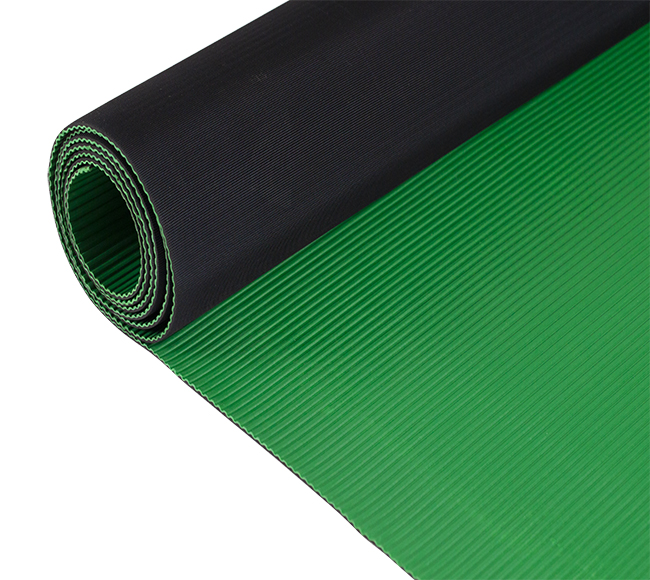
- View as
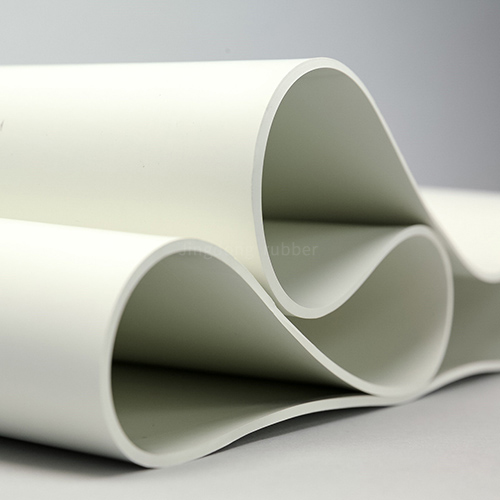
FDA Rubber Sheets
Kaxite Sealing FDA Rubber Sheets offer superior sealing solutions for food, pharmaceutical, and medical applications. Made from high-quality, FDA-compliant materials, they ensure safety, durability, and flexibility. Ideal for manufacturers and DIY enthusiasts, these sheets prevent leaks and contamination, providing peace of mind. Their unique formulation resists extreme temperatures and chemicals, outperforming standard options. Trust Kaxite Sealing for reliable, certified performance that exceeds expectations.
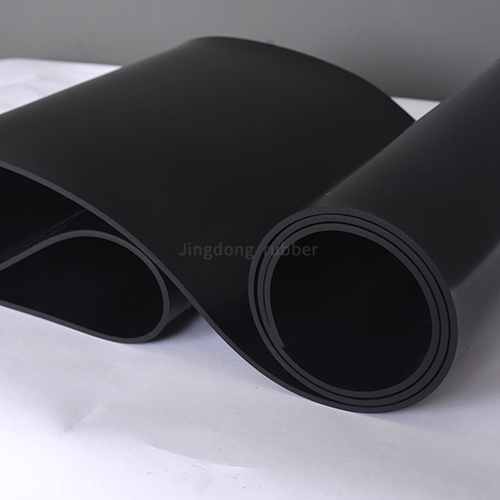
Insulation Rubber sheet
Kaxite Sealing's Insulation Rubber Sheet offers superior protection against heat and moisture, ideal for DIY enthusiasts and professionals in home insulation. Made from durable, eco-friendly materials, it ensures easy installation and long-lasting performance, solving common leakage issues. Stand out with our reliable quality—experience peace of mind today!
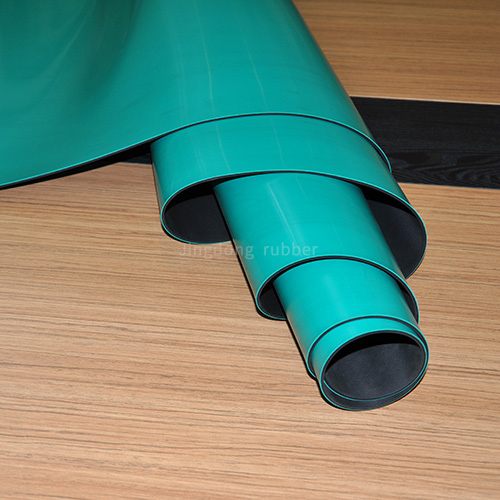
Anti-Static Rubber Sheet
Kaxite Sealing Anti-Static Rubber Sheet safeguards your sensitive electronics from harmful static discharge. Made with premium, durable rubber, it ensures reliable protection in labs, workshops, and homes. Unlike standard options, its advanced design offers superior conductivity and long-lasting performance, preventing costly damage. Say goodbye to static worries and enjoy peace of mind with this essential solution.
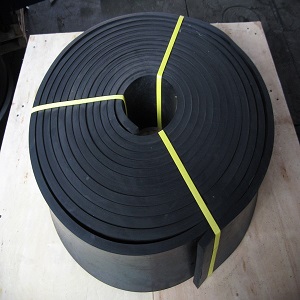
Skirtboard Rubber Sheet
Upgrade your equipment with Kaxite Sealing's Skirtboard Rubber Sheet, designed for durable dust and spill control in industrial settings. Made from high-quality rubber, it offers superior wear resistance and easy installation. Ideal for factories and warehouses, it ensures a cleaner, safer environment, reducing maintenance costs. Unlike competitors, its precise fit and long-lasting performance stand out. Experience reliable sealing solutions today!
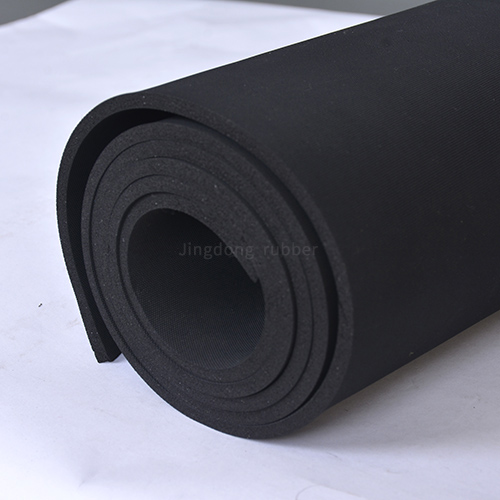
Sponge Rubber Sheet
Kaxite Sealing's Sponge Rubber Sheet provides superior compression and rebound in sealing applications. Its closed-cell structure resists water and dust, ideal for automotive, HVAC, and industrial uses. Durable, flexible, and cost-effective, it solves leakage issues reliably. Experience peace of mind with Kaxite's trusted quality.
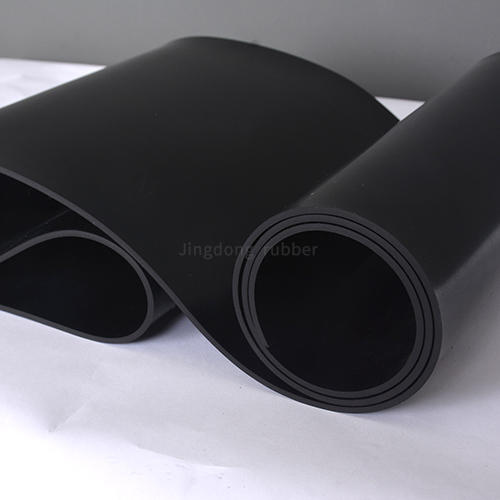
SBR Rubber Sheet
Discover Kaxite Sealing's SBR Rubber Sheet—a durable, waterproof solution ideal for industrial sealing, gaskets, and automotive use. Made from high-quality SBR rubber, it offers excellent abrasion resistance and flexibility, ensuring long-lasting performance. Perfect for engineers, DIY enthusiasts, and maintenance teams in harsh environments, it prevents leaks and reduces downtime. Experience peace of mind with reliable protection. Choose Kaxite Sealing for superior quality and unmatched value, backed by trusted performance.