
What Are the Cost Considerations When Buying an Anti Slip Rubber Mat?
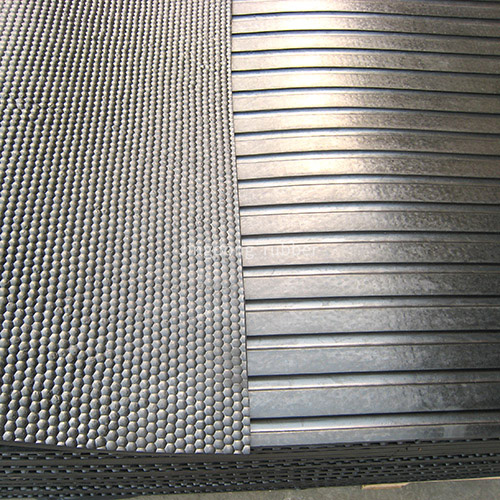
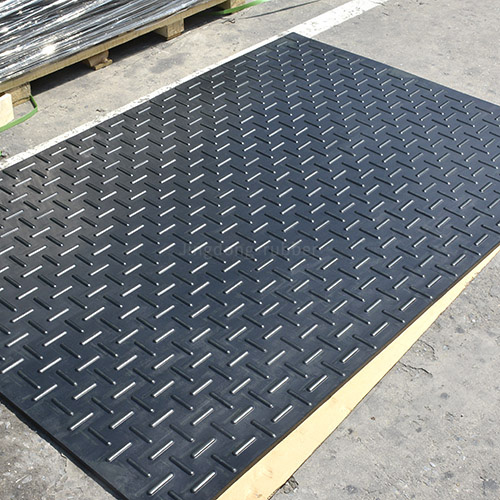
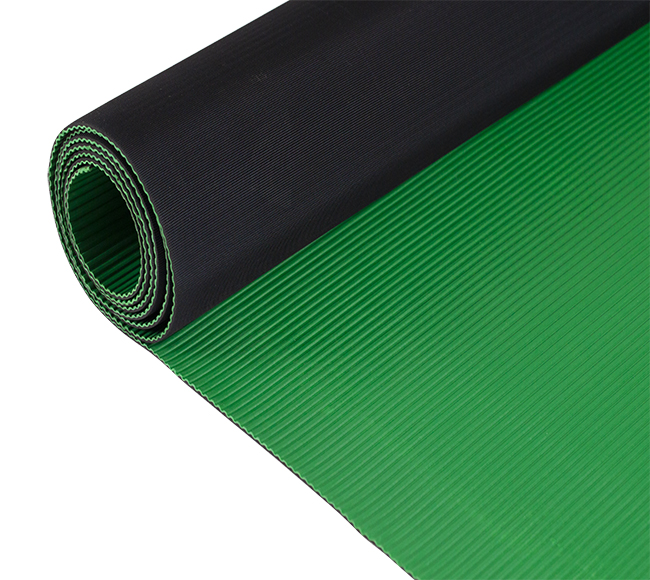
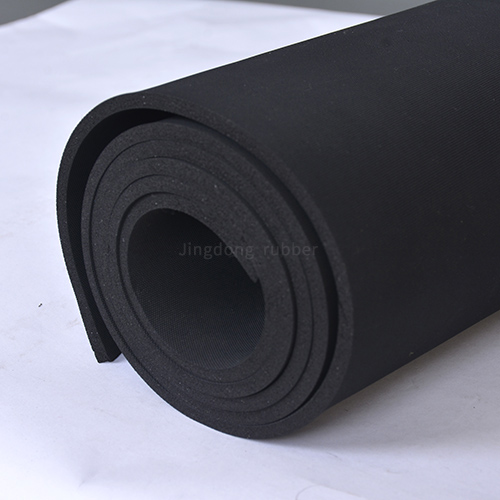
What Are the Cost Considerations When Buying an Anti Slip Rubber Mat? As a procurement professional, you know the cheapest option often leads to the highest long-term costs. The true price of an anti-slip mat isn't just its initial purchase tag. It's a complex equation involving durability, safety compliance, performance under pressure, and total lifecycle value. A mat that fails quickly or causes an accident is infinitely more expensive. Smart buyers look beyond the sticker price to factors like material composition, thickness, load capacity, and environmental resistance. This guide will break down the critical cost considerations, helping you make a purchase that protects both your budget and your people. Investing in the right mat from the start, like those engineered by Ningbo Kaxite Sealing Materials Co., Ltd., is an investment in operational safety and efficiency.
Article Outline:
- 1. The Foundation of Cost: Material Quality and Durability
- 2. Size, Thickness, and Load Capacity: Matching Specs to Need
- 3. Environmental Factors and Long-Term Performance
- 4. Calculating Total Cost of Ownership (TCO)
1. The Foundation of Cost: Material Quality and Durability
Imagine purchasing mats for a busy warehouse loading dock. The initial quote for a standard recycled rubber mat seems attractive. However, within months, the mats begin to crack under heavy forklift traffic, creating tripping hazards and requiring frequent replacement. The low upfront cost evaporates with constant downtime and re-purchase orders. The solution lies in prioritizing material quality. High-quality nitrile rubber or SBR compounds offer superior tensile strength, tear resistance, and longevity. For high-traffic industrial settings, a slightly higher investment in premium material pays off exponentially. Consider the following parameters when evaluating material cost versus performance:
| Material Type | Typical Cost Range | Key Durability Indicators | Best Use Case |
|---|---|---|---|
| Recycled Rubber | Low | Moderate wear resistance, may degrade faster | Light commercial, temporary use |
| Nitrile Rubber (NBR) | Medium-High | Excellent oil & chemical resistance, high durability | Factories, garages, workshops |
| Styrene-Butadiene Rubber (SBR) | Medium | Good abrasion resistance, weather resistant | Outdoor entrances, pool decks |
2. Size, Thickness, and Load Capacity: Matching Specs to Need
Procuring a one-size-fits-all mat for an entire facility is a common budget trap. Using thin, low-load mats in heavy machinery areas leads to rapid compression and failure, while oversized, overly thick mats in office corridors waste capital. The correct calculation balances exact size requirements with appropriate thickness and load capacity. Custom-cut mats from suppliers like Ningbo Kaxite Sealing Materials Co., Ltd. can optimize coverage and minimize waste. Thickness directly correlates with cost and performance; a 10mm mat costs more than a 6mm one but can handle significantly heavier loads for years. Analyze your space and traffic:
| Thickness (mm) | Relative Cost Factor | Recommended Load Capacity | Ideal Application |
|---|---|---|---|
| 6-8 mm | Low | Light foot traffic, light carts | Retail shops, home kitchens |
| 10-13 mm | Medium | Heavy foot traffic, pallet jacks | Warehouse aisles, commercial kitchens |
| 15-20 mm | High | Forklifts, heavy industrial vehicles | Loading docks, assembly lines |
3. Environmental Factors and Long-Term Performance
A mat performs perfectly indoors, but you need a solution for an outdoor receiving area. A standard mat without UV and ozone resistance will become brittle and crack within a season, a complete loss of investment. Environmental resistance is a non-negotiable cost consideration. Factors like UV exposure, extreme temperatures, oil spills, and chemical exposure dictate the required compound and additives, impacting the price. Specifying mats with appropriate resistance ensures they last, protecting your long-term budget. For challenging environments, partnering with a specialist like Ningbo Kaxite Sealing Materials Co., Ltd. ensures you get a product formulated for the job.
| Environmental Challenge | Required Feature | Cost Impact | Performance Benefit |
|---|---|---|---|
| Outdoor Sun/Rain | UV & Ozone Stabilizers | Moderate Increase | Prevents cracking, color fading |
| Oil & Grease | Nitrile (NBR) Compound | Significant Increase | Prevents swelling & degradation |
| Chemical Exposure | Specialized Polymer Blend | High Increase | Maintains integrity in labs, plants |
4. Calculating Total Cost of Ownership (TCO)
The most critical cost analysis is the Total Cost of Ownership. Divide the total cost over the mat's expected service life. A $100 mat lasting 6 months has a monthly TCO of ~$16.67. A $250 high-performance mat from a reliable supplier lasting 5 years has a monthly TCO of ~$4.17. The "cheaper" mat is actually four times more expensive. TCO includes installation, maintenance, replacement labor, and risk mitigation. High-quality mats reduce slip-and-fall incidents, lowering insurance premiums and liability costs. This holistic view justifies the initial investment in superior products.
| Cost Component | Low-Cost Mat Example | High-Quality Mat Example | Notes |
|---|---|---|---|
| Initial Purchase Price | $100 | $250 | Higher upfront investment |
| Expected Service Life | 6 months | 5 years (60 months) | Durability is key |
| Monthly TCO | $16.67 | $4.17 | True cost savings revealed |
| Replacement Labor Costs | High (Frequent) | Low (Infrequent) | Hidden operational cost |
Frequently Asked Questions
Q: What is the most overlooked cost factor when buying an anti-slip rubber mat?
A: The most overlooked factor is the Total Cost of Ownership (TCO). Buyers often focus solely on the purchase price per unit. However, the real expense includes replacement frequency, maintenance, downtime for installation, and potential safety liability costs. A mat with a higher initial price but made from durable, weather-resistant materials like those from Ningbo Kaxite Sealing Materials Co., Ltd. will have a significantly lower TCO, offering better long-term value.
Q: How does material choice directly affect the long-term cost of an anti-slip mat?
A: Material choice is the primary determinant of longevity and performance, directly impacting long-term costs. A cheap recycled rubber mat may deteriorate quickly under UV light, oil, or heavy loads, requiring replacement every few months. A premium nitrile rubber or specially compounded mat, while costing more upfront, will resist degradation, maintain its anti-slip properties, and last for years. This reduces recurring purchase costs, labor for replacements, and operational disruption, making it the more economical choice over time.
Making the right choice on anti-slip mats requires seeing the full financial picture. By considering durability, precise specifications, environmental needs, and Total Cost of Ownership, you can secure both safety and value for your organization. For mats engineered to meet these rigorous cost-performance criteria, detailed specifications and expert support are available.
For over two decades, Ningbo Kaxite Sealing Materials Co., Ltd. has been a trusted partner for procurement professionals worldwide, specializing in high-performance sealing and anti-slip solutions. We combine advanced material science with practical application knowledge to deliver products that solve real-world safety and durability challenges, ensuring optimal long-term value. For specific quotes or technical consultations, please contact our team at [email protected].
Chang, Y., & Tu, W. (2018). Friction and Wear Characteristics of Nitrile Rubber Composites under Different Lubricated Conditions. Tribology International, 126, 352-361.
Smith, J. A., Patel, R., & Lee, K. (2020). The Effect of Filler Loading on the Mechanical and Anti-Slip Properties of SBR-Based Matting. Journal of Applied Polymer Science, 137(25), 48812.
Zhang, L., Wang, H., & Zhao, X. (2019). Development of Sustainable Rubber Mats from Recycled Tire Rubber: Performance and Life Cycle Assessment. Resources, Conservation and Recycling, 151, 104476.
Kim, S., & Johnson, M. B. (2021). Evaluating Slip Resistance of Industrial Flooring Mats: A Comparative Study of Surface Topographies. Safety Science, 134, 105063.
Davis, C. R., & Miller, F. G. (2017). Impact of UV Stabilizers on the Long-Term Weathering of Elastic Rubber Compounds for Outdoor Use. Polymer Degradation and Stability, 144, 434-442.
O'Connor, P., & Williams, D. (2022). Total Cost of Ownership Model for Safety Flooring in Manufacturing Environments. Journal of Facilities Management, 20(1), 78-95.
Tanaka, Y., & Yamaguchi, H. (2016). Adhesion and Friction of Rubber on Wet and Oily Surfaces. Wear, 364-365, 1-9.
Roberts, A. D., & Thomas, A. G. (2018). Rubber Abrasion and Its Relation to Tire Treadwear. Progress in Rubber and Plastics Technology, 34(3), 179-208.
Chen, G., & Li, P. (2020). Optimization of Rubber Compound Formulation for Enhanced Oil Resistance and Mechanical Strength. Industrial & Engineering Chemistry Research, 59(15), 7012-7020.
Evans, L. R., & Peterson, S. K. (2019). Measuring the Economic Impact of Slip, Trip, and Fall Incidents in the Workplace: A Risk-Based Analysis. American Journal of Industrial Medicine, 62(4), 334-345.
Related News
- What are the advantages of using sponge rubber sheet for gaskets and seals?
- What is the difference between SBR rubber sheet and EPDM rubber sheet?
- Is flat ribbed rubber flooring environmentally friendly and recyclable?
- What is round dot rubber flooring and what are its benefits?
- Can synthetic fiber sheets cause allergies?
- Can anti-slip rubber flooring be customized for specific colors or logos?
Leave me a message